



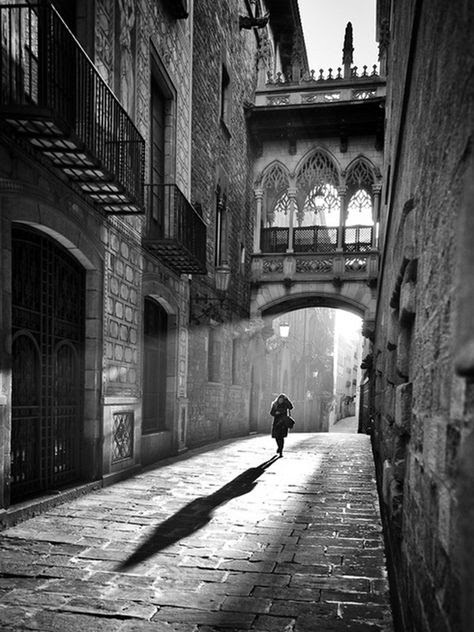
I. THE INTRODUCTION
A. Art of the Day
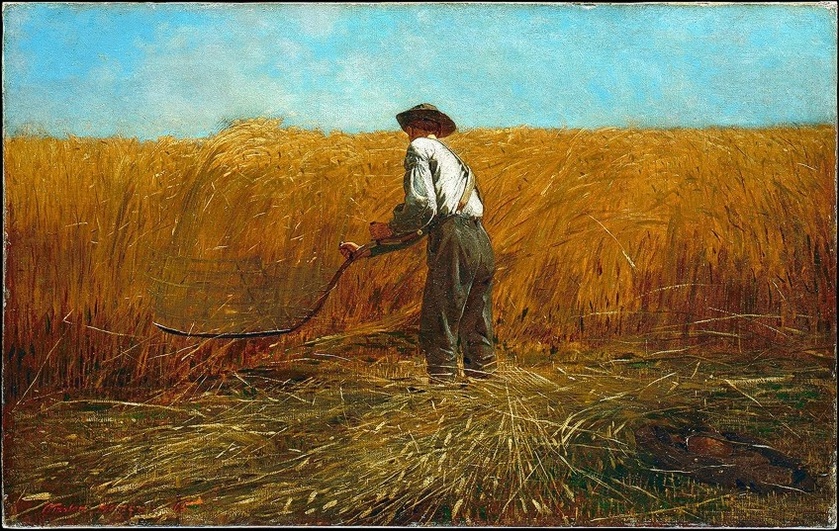
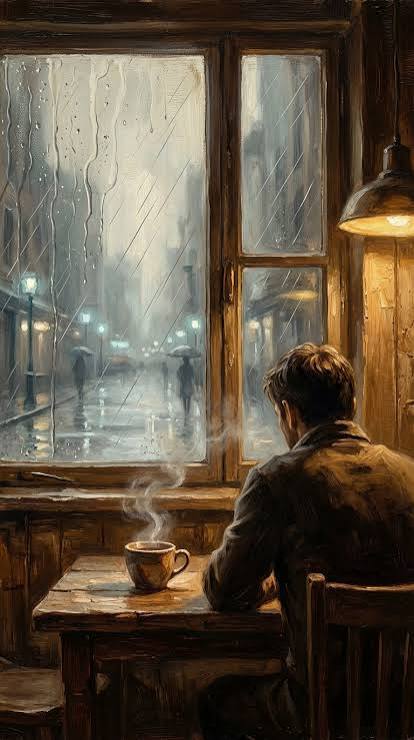
- The Venetian arched bridge above, the old walls of the city surround, the bricklaid road ahead, the dance of light against the alley, as the shadow makes us bigger than ourselves.
B. Wisdom of the Day
- “When we don’t put the brakes on our self-absorption, we have nothing stopping us from self-destruction.” Zeena Shreck.
C. Appearances
- Judge Napolitano
- Peoples Pundit
- Dialogue Works
- Daniel Davis
D. Daily Picks
E. Special Notices
- Special discount on SportsPicks subscriptions. Get all the picks on elections markets, economic markets, events markets, sports markets, plus exclusive AMAs, Masterclasses, and the best value in prediction markets anywhere, for less than $1/day and more than 50% off the annualized price. Discount code: 1776
II. THE EVIDENCE: BARNES LIBRARY
A. Food & Medicine
- Vaccine-autism connection. https://kirschsubstack.com/p/data-from-a-large-autism-clinic-shows
B. Economics
- Market manipulation risks. https://trendcompass.substack.com/p/trump-administration-is-risking-a
C. Politics
D. Geopolitics
E. Culture & History
- Local church targeted. https://www.lincolnsquare.media/p/pulpit-politics-and-the-irs-how-a
*Bonus: Board Post of Note