





. THE INTRODUCTION
Special Notices
- Watch the whole conference & support 1776 Law Center. https://www.1776lawcenter.com/2026-conference/v/robert-barnes
A. Art of the Day
- Another artistic expression of my own self-impression, the contemplative thought of looking out into the world through the oversized window amidst the shadows of dark and light, in between them both, uncovering and discovering along the way, a singular, solo figure in the space empty of objects but full of opportunities, sparse in materials but rich in ideas, waiting to be realized.
B. Wisdom of the Day
"He who sacrifices a right for a perceived benefit trades a mountain for a mirage.” Political proverb.
C. Appearances & Publications
- Uploading clips to individual channel. https://www.youtube.com/@robertbarnes5175/videos
- Interview w/ Judge Napolitano
- Interview w/ Larry Sharpe
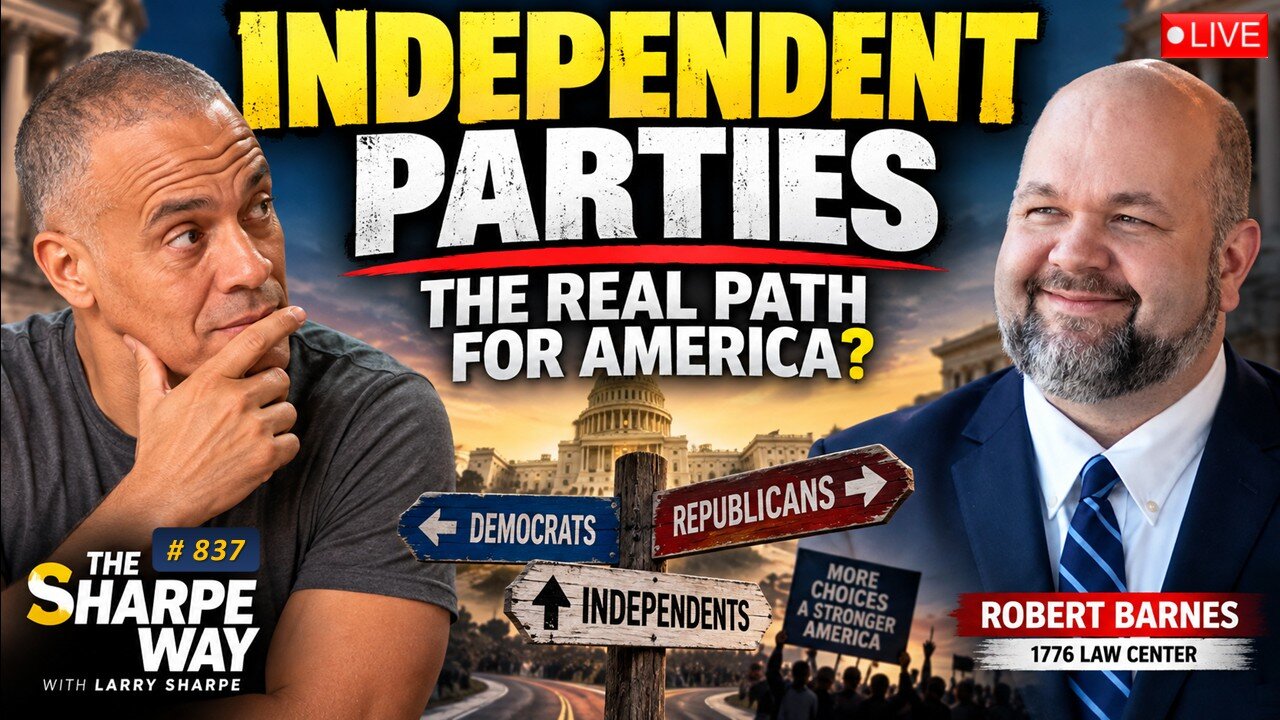
- Interview w/ Brandon Weichert on Mario Nawfal
D. Daily Picks
E. *Bonus: Board Post of the Day
- Mematic humor. https://vivabarneslaw.locals.com/post/8237509/title
II. THE EVIDENCE: BARNES LIBRARY
A. Food & Medicine
- Another take on MAHA’s “moderation.” https://unherd.com/2026/10/how-maha-grew-up/?edition=us
B. Economics
C. Politics
- Democrats planned pitch to win back working class. https://www.welcomestack.org/p/democrats-road-back-to-the-working
D. Geopolitics
- Ilan: Israeli elections. https://ihulkower.substack.com/p/the-outlying-oracle
E. Law
- Florida sues Pfizer. https://www.myfloridalegal.com/sites/default/files/oag-v.-pfizer_filed-complaint.pdf