(In my comments I've posted about a class action suit against Driscoll berries for testing positive for 12 pesticides and not informing customers.)
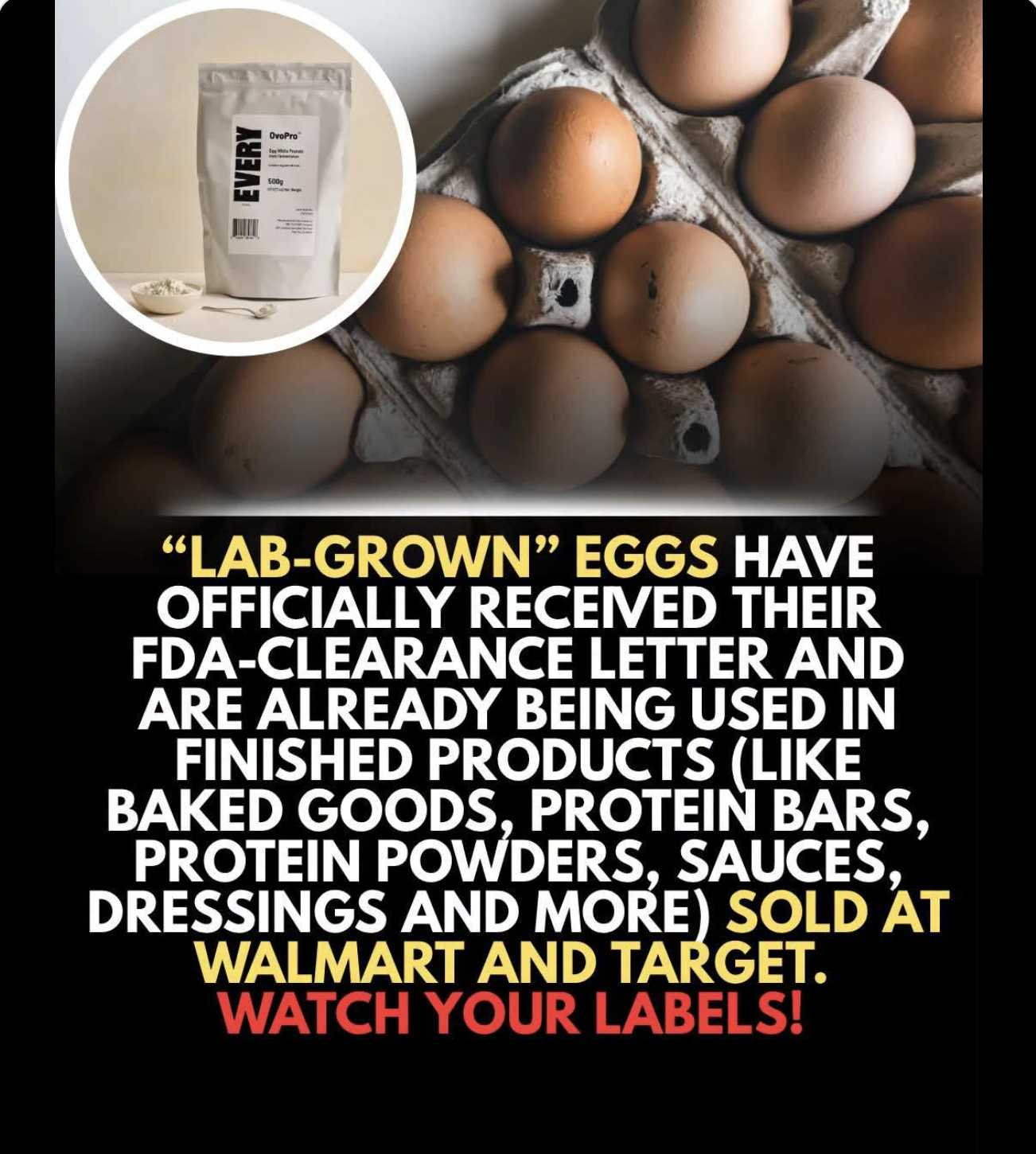
@Thefarmacyreal: A silent revolution has breached the aisles of America’s largest retailers, changing the very fabric of the food supply without the flash of a single warning label. Pioneer biotech firms, most notably The EVERY Company with its OvoPro protein, have successfully bypassed the traditional chicken coop by engineering a “lab-grown”, animal-free egg white protein.
By extracting egg-white genes and fermenting them inside industrial vats with genetically modified yeast, they have created a substance “molecularly identical” to a real hen’s egg—completely eliminating the bird from the equation. Armed with official FDA “no questions” clearance letters, these stealth ingredients have already infiltrated everyday consumer products. From the bakery section to the health aisles, this “bio-identical” protein is secretly texturizing and fortifying baked goods, protein bars, protein powders, sauces and dressings currently on the shelves of Walmart and Target.
The corporate masterstroke that allowed this rapid, nationwide infiltration relies on a decades-old regulatory backdoor known as the “GRAS” (Generally Recognized as Safe) loophole. Originally established in 1958 to exempt benign, everyday staples like vinegar and baking soda from grueling federal oversight, the policy has evolved into a procedural superhighway for food-tech giants. Under the current framework, a company can simply hire its own panel of scientific experts to self-affirm that a new, lab-created compound is safe, allowing them to introduce it into mainstream food products without ever receiving formal, independent pre-market approval from the FDA.
By utilizing this self-determination pathway and filing a voluntary notification to which the regulator responded with “no questions” The EVERY Company avoided years of bureaucratic delays. Because final labeling mandates remain contractually confidential or obscured under generic terms, consumers are left completely unaware that their morning protein bar or favorite salad dressing is a product of cellular agriculture rather than nature.
To avoid lab-created or precision-fermented eggs, look for "animal-free", "cultivated", or "yeast-derived"terms on the ingredient list, and always verify that the carton features USDA-approved traditional poultry labels like "Pasture-Raised" or "Organic." Because food companies use different terms to market alternative proteins, scanning both the front of the packaging and the required allergen warnings is the most effective way to ensure you are buying real, chicken-laid eggs.
Key Terms to Avoid on Food Labels
Lab-created eggs generally fall into two categories: precision-fermented proteins (made by programming micro-organisms like yeast to replicate egg proteins) and cell-cultured/cultivated eggs (grown directly from animal cells). Look out for these specific buzzwords:
🚩"Animal-free egg white protein" or "Egg white protein from yeast" (Commonly recommended terminology by food-tech manufacturers).
🚩"Cultivated", "Cell-cultured", or "Cell-based" (Phrases signaling laboratory cultivation from animal cells).
🚩"Precision-fermented" or "Flora-based" (Indicates proteins brewed in a fermentation tank rather than laid by a hen).
🥚 Labels That Guarantee Real Eggs
To ensure your eggs came entirely from living chickens, prioritize buying whole shell eggs that carry clear, regulated agricultural designations. Look for these specific terms on the carton:
🚩"Certified Organic" (Guarantees the eggs were laid by real chickens fed a strictly organic, non-GMO diet).
🚩"Pasture-Raised" (Ensures hens had extensive outdoor access, traditionally 108 square feet per bird, to live and forage naturally).
🚩"USDA Grade A/AA" (Cartons featuring the official USDA shield must come from certified, physically inspected traditional poultry packing plants).
https://www.facebook.com/