




I. THE INTRODUCTION
- Just a few tickets left https://www.1776lawcenter.com/
A. Art of the Day
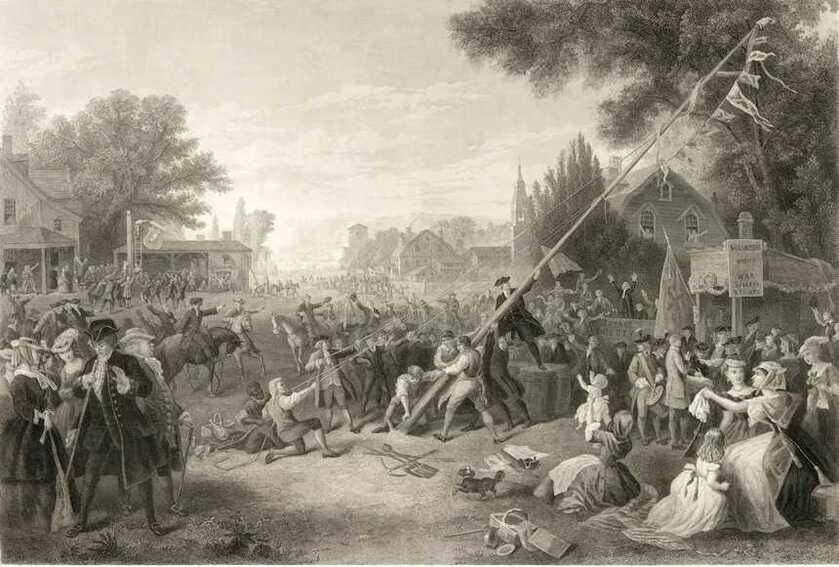
- They raise the flag of liberty, replacing the image of the King, but the painting speaks more than just that celebration of the Revolution. A mother holds up\ her child. Women dance. Young and old alike volunteer. but look a bit closer, and you see the true source of the revolution: as the aristocrats walk away, the commoiners lift the flag of liberty. The founding Fathers weren’t just a few folks writing documents; it was the ordinary people taking dramatic action, peopling the volunteer army, sacricing for boycotts, smuggling information and goods across enemy lines, voicing their independence in taverns and community halls, taking their freedom into their hands for themselves and their posterity, the true founders of America.
B. Wisdom of the Day
- "If all else fails, I will retreat up the Valley of Virginia, plant my flag on the Blue Ridge, rally around the Scotch-Irish of that region, and make my last stand for liberty amongst a people who will never submit to tyranny whilst there is a man left to draw a trigger." George Washington.
C. Appearances
- Dialogue Works.
- Moral Resistance.
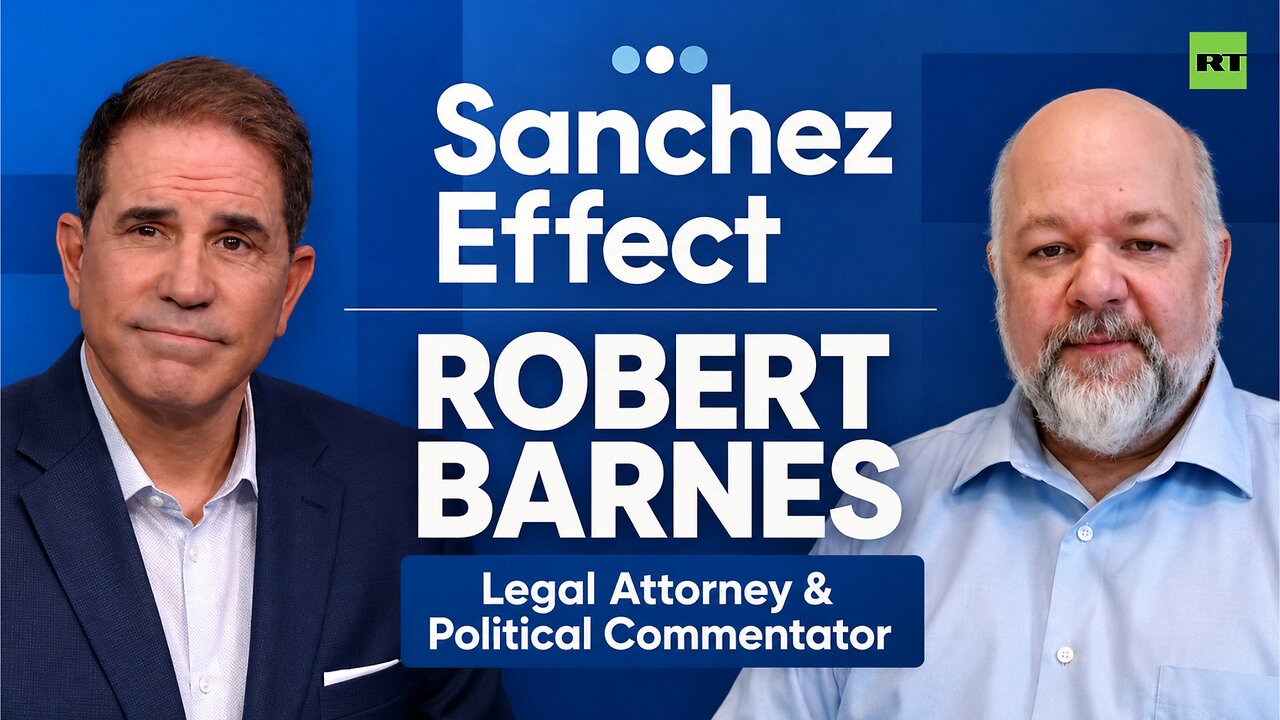
- Mario Nawfal.
D. Daily Picks
E. Guest Speaker Resume
- Dr. Bowden
II. THE EVIDENCE: BARNES LIBRARY
A. Cultural
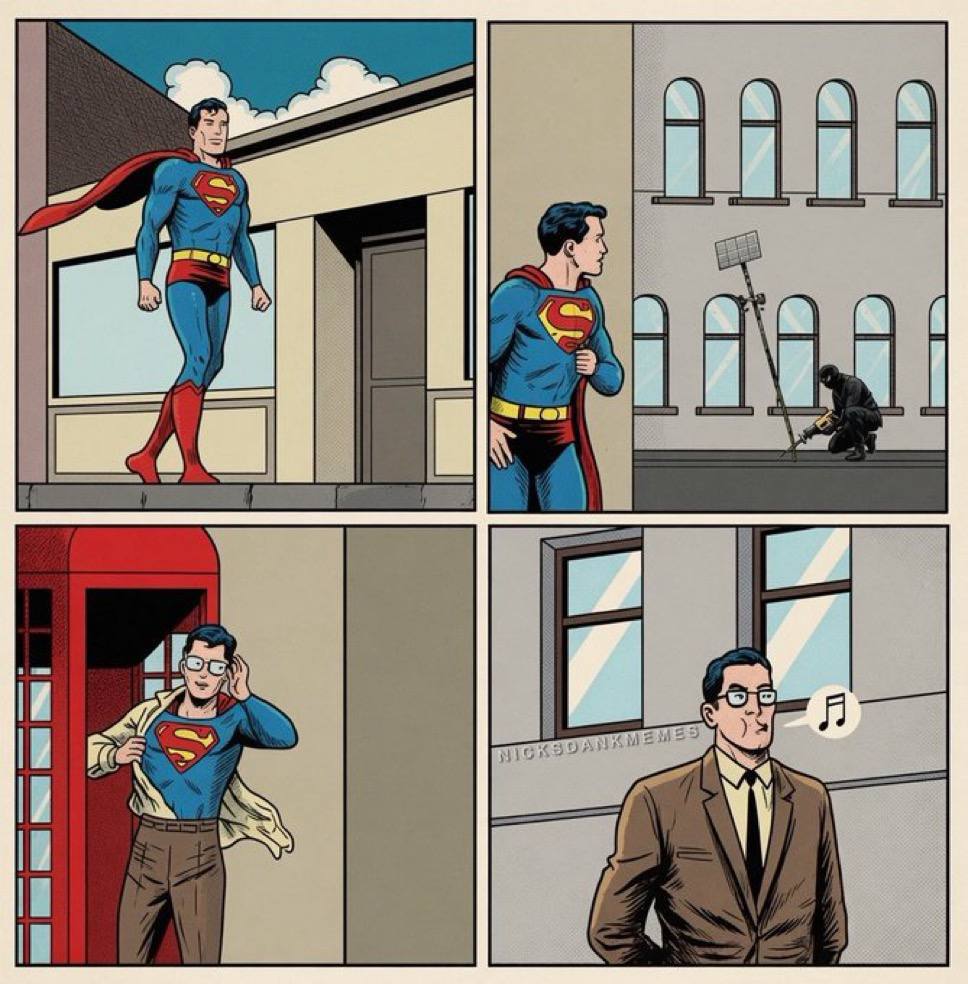
- Supergirl fails.
B. Economics
- AI's flaw.
C. Politics/Law
- New book on Trump. https://www.vanityfair.com/story/trump-book-regime-change-maggie-haberman
D. Historical
E. Geopolitical
- The anti-war, cross idealogical coalition. https://tritaparsi.substack.com/p/so-they-tried-to-deport-me
*Bonus: Board Post of Note
III. CASES FOR SUNDAY
- SCOTUS: Men in girls sports https://www.supremecourt.gov/opinions/25pdf/24-43_2b35.pdf
- SCOTUS: Campaign finance https://www.supremecourt.gov/opinions/25pdf/24-621_h315.pdf
- SCOTUS:Birthright citizenship https://www.supremecourt.gov/opinions/25pdf/25-365_new_5if6.pdf
- SCOTUS: Election Day https://www.supremecourt.gov/opinions/25pdf/24-1260_g3cn.pdf
- SCOTUS: 4th Amendment https://www.supremecourt.gov/opinions/25pdf/25-112_0am4.pdf
- SCOTUS: Federal reserve https://www.supremecourt.gov/opinions/25pdf/25a312_5468.pdf
- SCOTUS: Right to fire https://www.supremecourt.gov/opinions/25pdf/25-322_new_4gcj.pdf
- SCOTUS: Vaccine mandates https://www.supremecourt.gov/opinions/25pdf/24-1015_hfjm.pdf
- SCOTUS: Defamation https://www.supremecourt.gov/opinions/25pdf/25-770_2c8f.pdf
- SCOTUS: Immunity https://www.supremecourt.gov/opinions/25pdf/25-943_h3ci.pdf
- SCOTUS; Death penalty https://www.supremecourt.gov/opinions/25pdf/25-5749_qol1.pdf
- SCOTUS: Speech on campus https://www.supremecourt.gov/opinions/25pdf/25-906_e2qg.pdf