



I. INTRODUCTION
Only for Supporters
To read the rest of this article and access other paid content, you must be a supporter


9 How does the Minority Stress Model explain these health outcomes?
The Minority Stress Model provides a causal framework explaining that the health disparities observed in LGBTQ+ populations are not inherent to their sexual orientation or gender identity, but are instead socially based outcomes resulting from a hostile environment. The model posits that stigma, prejudice, and discrimination create an excess burden of stress that is unique and chronic, leading to both physiological and behavioural health deficits.
This framework explains these outcomes through a continuum of distal and proximal stress processes:
1. Distal Stressors (External and Objective)
Distal stressors are objective external events and conditions that individuals encounter regardless of their personal appraisal of them.
Violence and Harassment: LGBTQ+ individuals are significantly more likely to be targets of hate crimes, physical assault, and verbal harassment than heterosexual peers.
Institutional Discrimination: This includes structural barriers in employment, housing, and healthcare. For example, discrimination in medical settings often causes individuals to delay or forgo subsequent necessary care.
2. Proximal Stressors (Internal and Subjective)
Proximal stressors are subjective psychological processes that arise as individuals internalize the hostile distal environment.
Expectations of Rejection: To protect themselves from harm, many individuals maintain a state of chronic vigilance, constantly monitoring their surroundings for potential prejudice.
Concealment: The act of hiding one’s sexual orientation or gender identity to avoid discrimination creates a significant cognitive and emotional burden, which is linked to adverse health outcomes and the loss of group support.
Internalized Homophobia: This involves directing negative societal attitudes toward the self, leading to self-devaluation, which strongly correlates with depression, anxiety, and suicidal ideation.
3. The Path to Adverse Health Outcomes
The model explains the documented disparities in physical and mental health through several mechanisms:
Maladaptive Coping: Elevated rates of substance use and heavy drinking are often used as maladaptive mechanisms to cope with the "excess stress" generated by a stigmatised identity.
Physiological Impact: Chronic exposure to minority stress can lead to the "embodiment" of social oppression, resulting in cardiovascular disease, hypertension, and impaired immune function.
Social Isolation: Stigma often separates individuals from social networks, increasing the risk of mental health disorders and suicide attempts, particularly among youth who face family rejection.
4. Ameliorating Factors and Intersectionality
The Minority Stress Model also acknowledges factors that can weaken the impact of stress, such as group solidarity, community cohesiveness, and social support, which provide individuals with a positive in-group identity. However, these stress processes are often compounded by intersectionality, where individuals who also belong to racial, ethnic, or low socioeconomic minority groups experience a convergence of disadvantages that further exacerbates chronic disease risks and limits access to care.
I did a quick hit on Richard Syrette yesterday. Gotta keep Canadians apprised of the U.S. madness.
@RobertBarnes This article may shed light on what's wrong with Trump. It is the most obvious thing.
https://share.google/NMVtxhxMGTS28ZjRb

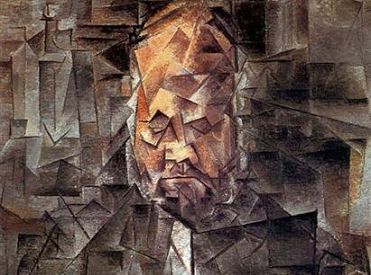
I. INTRODUCTION
A. Art of the Week
B. Recommendation of the Week
C. Wisdom of the Week
D. Appearances
II. THE EVIDENCE
A. Barnes Library: Curated Weekly Articles of Interest
*Bonus: Bald eagle rescued. https://abc7ny.com/post/nypd-officers-describe-rare-rescue-trapped-american-bald-eagle-icy-hudson-river-nyc/18616678/
B. Best of the Board: Five Fantastic Posts of the Week
*Bonus: Bondi mockery. https://vivabarneslaw.locals.com/post/7703469/spotted-all-over-washington-dc-while-i-normally-don-t-share-the-political-views-of-people-in-dc
**Bonus: Weekly Wisdom. https://vivabarneslaw.locals.com/post/7704649/the-intersection-of-politics-youtube-commentary-and-critical-traffic-infrastructure-https-you
C. Homework: Cases of the Week for Sunday
*Lobbyist disclosure laws. https://www.law.cornell.edu/uscode/text/2/chapter-26
**Lobbying disclosure guidelines. https://www.senate.gov/legislative/resources/pdf/S1guidance.pdf
***Transanity in Canada. https://vivabarneslaw.locals.com/post/7704549/tribunal-ruling-out-of-british-columbia-canada
III. CLOSING ARGUMENT: Constitution Masterclass Series — Article I, Tariffs
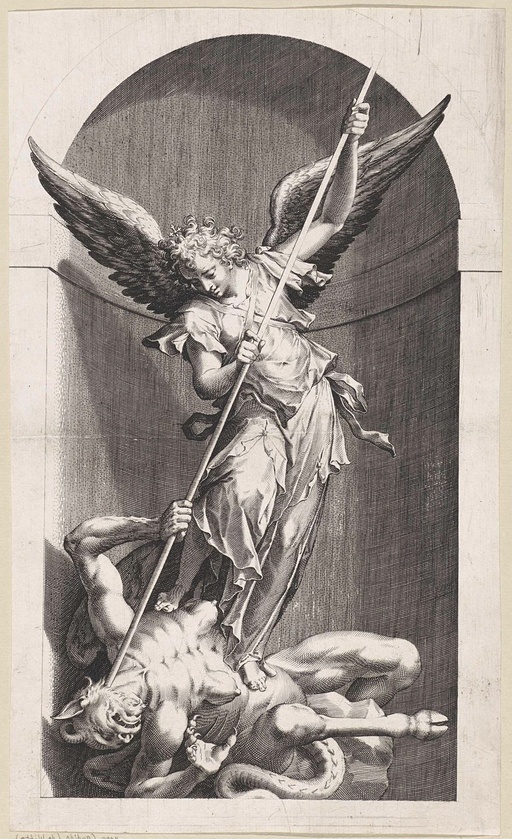
I. INTRODUCTION
A. Art of the Week
B. Recommendation of the Week
C. Wisdom of the Week
D. Appearances

II. THE EVIDENCE
A reminder: links are NOT endorsements of the authors or their interpretation of events, but intended to expand our library of understanding as well as expose ideas of distinct perspective to our own.
A. Barnes Library: Ten of the Top Curated Weekly Articles
B. Homework: Cases of the Week for Sunday
*Bonus: Livenation Ticketmaster Antitrust https://www.hollywoodreporter.com/music/music-industry-news/live-nation-doj-lawsuit-after-gail-slater-resignation-1236504011/
**Bonus: NCAAF eligibility suit. https://www.knoxnews.com/picture-gallery/sports/college/university-of-tennessee/football/2026/02/13/joey-aguilar-eligibility-hearing-tennessee-vs-ncaa/88659399007/
***Bonus: AI plagiarism win. https://www.newsday.com/long-island/education/adelphi-university-ai-plagiarism-lawsuit-oh07enyz
C. Best of the Board: Ten of the Top Posts
III. CLOSING ARGUMENT: Constitution Masterclass Series — Article I, Elections