

VivaBarnesLaw
Politics • Culture • News
This is the VivaBarnesLaw Community.
Interested? Want to learn more about the community?

Does the US Still Have a Constitution?
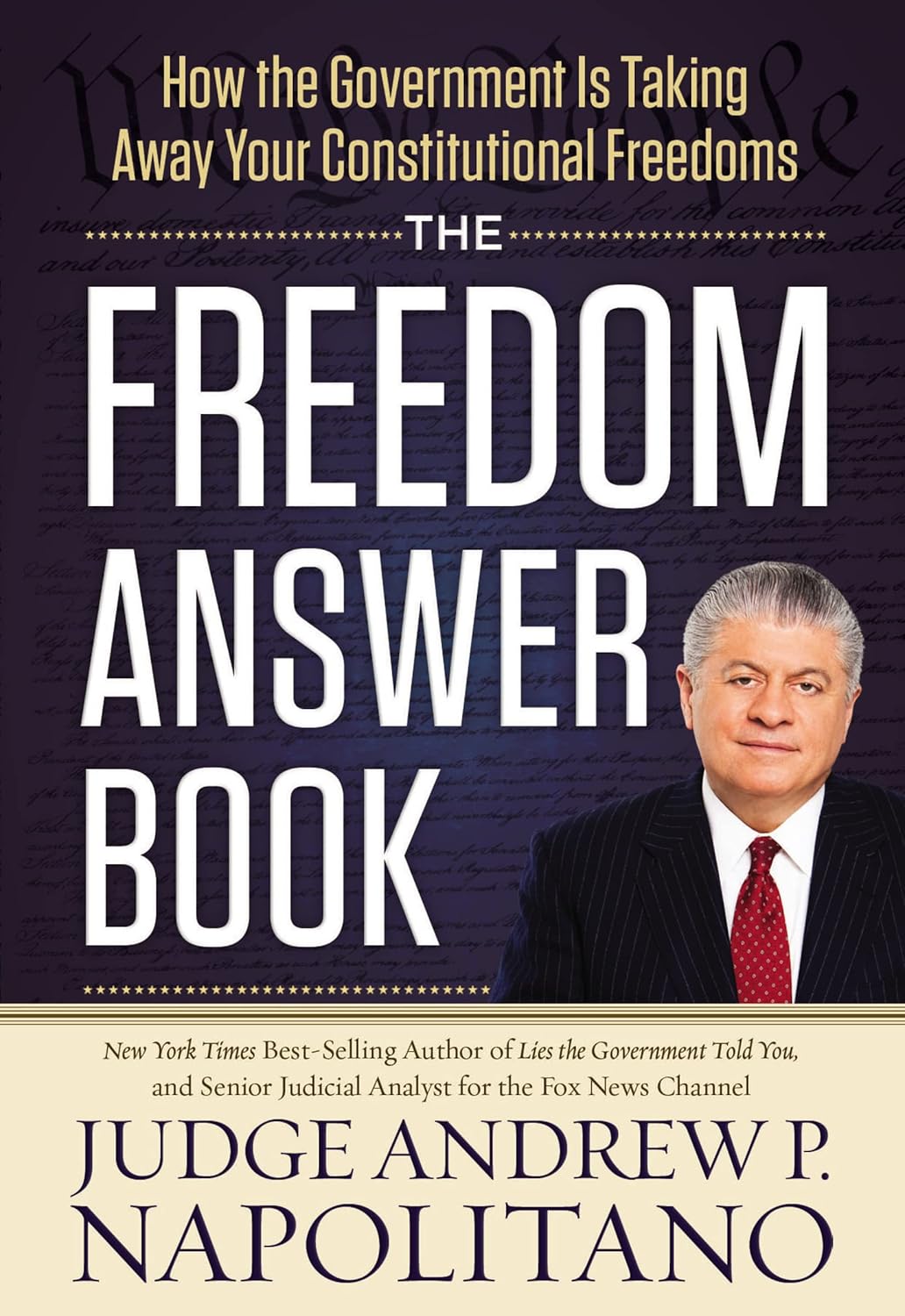
By Andrew P. Napolitano

Legal scholars have many lenses through which to examine the Constitution. Lawyers need to master about 150 Supreme Court decisions in order to have a sufficient understanding of the government. But most of what lawyers have studied is theory — how the Constitution is supposed to work, as opposed to how it actually does work. This “supposed to” versus “actually does” conundrum is often called the formal versus the functional.

Formally, the United States still has a Constitution. We still have the three branches of government. Congress still has the House of Representatives and the Senate. The president is still elected by the Electoral College. The courts still function to resolve disputes and to define what the laws mean and what the Constitution means.

Yet, thanks in large measure to the public fear and mania in the war on drugs in the 1980s and 1990s, the war on terror in the 2000s and 2010s, and now the war on immigrants, functionally, Congress found it easy to cut constitutional corners and to look the other way as one crisis after another has led to the expansion of executive powers and the erosion of personal freedoms.

The principal victim in all these wars has been the quintessentially American right to be left alone, which is expressly protected in the Fourth Amendment, which reads: “The right of the people to be secure in their persons, houses, papers, and effects against unreasonable searches and seizures shall not be violated, and no Warrants shall issue, but upon probable cause, supported by Oath or Affirmation, and particularly describing the place to be searched or the persons or things to be seized.”

The courts have held that all searches and seizures, except for a few exigent circumstances, undertaken without warrants are by definition unreasonable, and thus in contravention of the amendment.

In 1947, when overstaying an immigrant’s visa was a civil wrong — like filing your taxes late or failing to shovel the snow from your sidewalk — Congress crafted the concept of administrative warrants in which one federal agent authorized another to look for these civil wrongs. The theory was these were not crimes and no one could go to jail, so a judicial warrant wasn’t needed.

The war on drugs began the slow erosion of the right to privacy by a law enforcement belief that the mere possession of controlled dangerous substances was so harmful to the social order that its eradication was a greater good than preserving constitutional norms. Unfortunately, this attitude permeated into the judiciary, which soon became loath to allow — using Justice Benjamin Cardozo’s phrase — the criminal to go free because the constable has erred.

But, in the war on drugs, just like in the war on terror, the constable did not err, he intentionally violated constitutional norms because of a belief that he could get away with it.

Then in 2001, the Patriot Act permitted one federal agent to authorize another to conduct searches of personal private records in the custody of one’s physician, lawyer, banker, telephone and computer service provider, even the mailman. The theory was that you gave up your privacy when you allowed these custodians to house your records. And, in a strike at the First Amendment, it prohibited the recipient of an agent-written warrant from telling anyone of its receipt.

Then, after the drumbeat of anti-immigrant hysteria and paranoia infected government at nearly all its levels and Congress converted immigration violations from civil wrongs to criminal acts, the feds told their agents to use administrative warrants to arrest people.

This was done in blatant violation of the Fourth Amendment, and is being done somewhere in the United States even as this essay is being read. Administrative warrants are general warrants that authorize the bearer to look where he wishes and seize what he finds. The British use of general warrants was a principal impetus to the American Revolution. The whole purpose of the Fourth Amendment was to eliminate and forbid general warrants.

Today in Minneapolis and elsewhere, searches and seizures of persons, houses, papers and effects are being conducted without judicial warrants. Administrative warrants often don’t even name the person seized. They permit appearance, occupation and location as the descriptive authorization for group stops and arrests. This has resulted in regular, consistent, systematic and massive violations of Fourth Amendment rights of citizens and immigrants.

Throughout this sordid history of government indifference to the Constitution, the attitude of the feds who did the violations, and often the jurists and jurors who validated them, and the legislators who enabled them, has been us versus them. We don’t use drugs, they do. We aren’t terrorists, they are. We were born here, they weren’t.

Until now.

Now, we have seen on the streets and in the homes of the hapless residents of Minneapolis the reason we have a Fourth Amendment. The government cannot be trusted to evaluate or restrain itself when it comes to compliance with the Constitution. Hence the solemn requirement of the interference by the judiciary between the government and its targets. Hence the absolute requirement of probable cause of crime. Hence the mandatory requirement of specificity.

Now, the Trump administration — beating the bushes against all immigrants, even longtime law-abiding residents with American children and grandchildren — has used administrative warrants, which have never been authorized by the Supreme Court, to break down the doors of the homes of immigrants and American citizens and drag them in their underwear in subzero weather to awaiting government vehicles.

Now, the same feds who trample freedoms kill innocent Americans in the streets.

Paraphrasing Justice Louis Brandeis, when the government becomes the lawbreaker, it breeds contempt for the law and due process; it invites anyone to become a law unto himself; it propagates the anarchy it produces.

There have been times when the Constitution protected us. Functionally today, those days are gone.

Reprinted with the author’s permission.

Copyright © Andrew P. Napolitano

Andrew P. Napolitano, a former judge of the Superior Court of New Jersey, is the senior judicial analyst at Fox News Channel. Judge Napolitano has written nine books on the U.S. Constitution. The most recent is Suicide Pact: The Radical Expansion of Presidential Powers and the Lethal Threat to American Liberty.

post photo preview
Interested? Want to learn more about the community?
What else you may like…
Videos
Podcasts
Posts
Articles
February 25, 2026
SOTU analysis

best SOTU ever. But...

00:26:48
February 25, 2026
Morning exploration

I think he should stick his hand in the hole… 😂

00:00:19
February 25, 2026
Democrats support modern-day slavery

The montage keeps getting longer and longer…

Two minutes of Democrats promoting illegal immigration so they can exploit it for modern day slave labor.

00:01:59
February 17, 2024
Appearance on Richard Syrette

I did a quick hit on Richard Syrette yesterday. Gotta keep Canadians apprised of the U.S. madness.

Appearance on Richard Syrette
The Barnes Brief, Podcast Format: Monday, July 17, 2023

Closing Argument: Birthright citizenship is deeply American, and wholly Constitutional.

The Barnes Brief, Podcast Format: Monday, July 17, 2023
Declaration of Independence

Audio podcast style.

Declaration of Independence
Say hello to my little friend!

We are on our way home!

We might have to call him rigatoni, so it can be Tony for sure! Lol

post photo preview
Board Poll: Your Party Affiliation

Pick your party affiliation, if any.

Questions for Bourbon with Barnes: Thursday, February 26, 2026

Ask in replies and answering Live at 9ish eastern tonight.

post photo preview
The Barnes Brief: Friday, February 27, 2026

I. INTRODUCTION


Only for Supporters
To read the rest of this article and access other paid content, you must be a supporter

Read full Article
post photo preview
The Barnes Brief: Weekend of February 20, 2026

I. INTRODUCTION

A.  Art of the Week

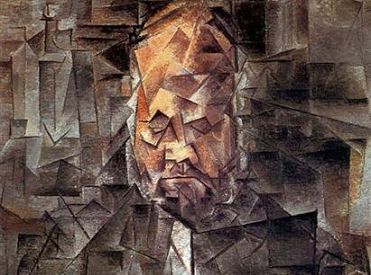
  • When Picasso painted me before I was born, his portrait of famous patron saint of the arts, Ambroise Vollard. The painting struck my brother when he first saw it in person, as a biographical portrait of yours truly. The intensive, internal self-reflection expresses a true self-recognition. My favorite portrait to this day, even if only of me across the psychic plains of time and space.  

B.  Recommendation of the Week

C. Wisdom of the Week

  • “I am a tariff man, with a tariff plan, standing on a tariff platform.” President William McKinley. 

D.  Appearances

II. THE EVIDENCE

  • A reminder: links are NOT endorsements of the authors or their interpretation of events, but intended to expand our library of understanding as well as expose ideas of distinct perspective to our own. 

A. Barnes Library: Curated Weekly Articles of Interest

  1. 1776 Law Center Survey: War Vote Mirrors Midterms https://www.bigdatapoll.com/blog/democrats-expand-generic-ballot-lead-in-february/
  2. Iran War risk. https://www.theamericanconservative.com/war-on-iran-is-the-opposite-of-realism/
  3. Welfare state fraud. https://www.liberalpatriot.com/p/the-democrats-fraud-problem
  4. Utility battles. https://prospect.org/2026/02/19/blackstone-private-equity-utility-acquisition-new-mexico-public-service-txnm-energy/
  5. Remembering Jessie Jackson. https://www.theamericanconservative.com/jesse-jackson-complicated-man/

*Bonus: Bald eagle rescued. https://abc7ny.com/post/nypd-officers-describe-rare-rescue-trapped-american-bald-eagle-icy-hudson-river-nyc/18616678/

B. Best of the Board: Five Fantastic Posts of the Week

  1. Bill Brown’s comedic relief. https://vivabarneslaw.locals.com/post/7704528/title
  2. Jonathan’s prayer. https://vivabarneslaw.locals.com/post/7704685/morning-daily-prayer-heavenly-father-i-thank-you-for-blessings-everyday-i-thank-you-for-my-beloved
  3. Meme magic. https://vivabarneslaw.locals.com/post/7704745/title
  4. Bountiful art. https://vivabarneslaw.locals.com/post/7704798/title
  5. Board thoughts on Iran war. https://vivabarneslaw.locals.com/post/7700010/board-poll-war-in-iran

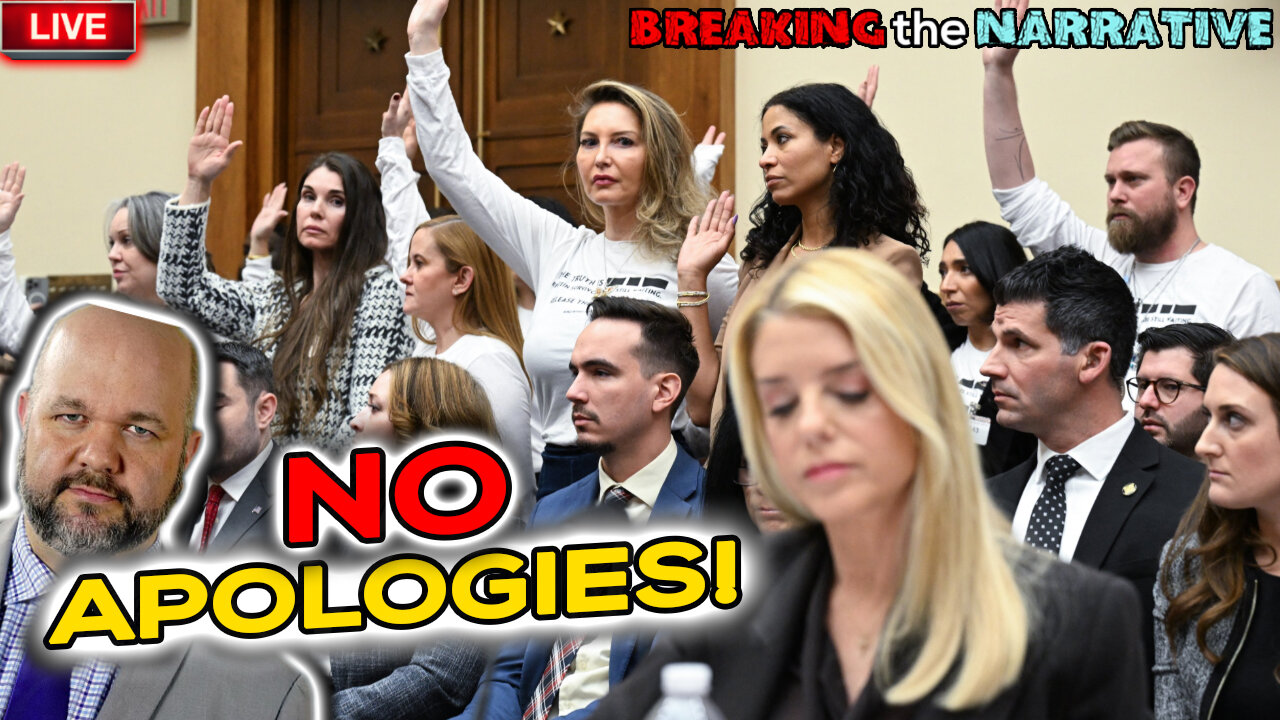
*Bonus: Bondi mockery. https://vivabarneslaw.locals.com/post/7703469/spotted-all-over-washington-dc-while-i-normally-don-t-share-the-political-views-of-people-in-dc

**Bonus: Weekly Wisdom. https://vivabarneslaw.locals.com/post/7704649/the-intersection-of-politics-youtube-commentary-and-critical-traffic-infrastructure-https-you

C. Homework: Cases of the Week for Sunday

  1. SCOTUS: Tariffs. https://www.supremecourt.gov/opinions/25pdf/24-1287_4gcj.pdf
  2. Facebook trial. https://courthousenews.com/safety-was-someone-elses-problem-ex-facebook-vp-says-in-teen-social-media-trial/
  3. Jury bias in Musk case. https://courthousenews.com/contempt-for-musk-clouds-jury-selection-in-twitter-takeover-trial/
  4. Amazon death. https://www.courthousenews.com/wp-content/uploads/2026/02/amazon-nitrite-washington-supreme-court-2.pdf
  5. Virginia redistricting stalls. https://www.courthousenews.com/wp-content/uploads/2026/02/tazewell-injunction.pdf
  6. British ex-royal arrested. https://courthousenews.com/ex-prince-andrew-arrested-on-suspicion-of-sharing-sensitive-documents-with-epstein/
  7. Firetruck monopoly. https://www.courthousenews.com/wp-content/uploads/2026/02/mke-v-fire-truck-manufacturers.pdf
  8. ICE churches. https://www.courthousenews.com/wp-content/uploads/2026/02/synod-v-dhs-ice-injunction.pdf
  9. Tina Peters denied bond. https://www.courthousenews.com/wp-content/uploads/2026/02/people-tina-peters-order-bond.pdf
  10. Slushie fraud. https://www.courthousenews.com/wp-content/uploads/2026/02/slush-puppie-forged-email-with-icee.pdf
  11. The HP merger case. https://business.cch.com/ald/USvHewlettPackardEnterpriseCo122025.pdf
  12. Tunney Act Trump DOJ risks. https://prospect.org/2025/07/29/2025-07-29-law-could-blow-open-trump-antitrust-corruption/

*Lobbyist disclosure laws. https://www.law.cornell.edu/uscode/text/2/chapter-26

**Lobbying disclosure guidelines. https://www.senate.gov/legislative/resources/pdf/S1guidance.pdf

***Transanity in Canada. https://vivabarneslaw.locals.com/post/7704549/tribunal-ruling-out-of-british-columbia-canada

III. CLOSING ARGUMENT: Constitution Masterclass Series — Article I, Tariffs
  • Article I, section 7 enumerates the power “for raising revenue” to the legislative branch of Congress, commencing with the House and continuing onto the senate. 
  • Article I, section 8, clause 1 enumerates the power “to lay and collect taxes, duties, imposts and excises” to the legislative branch in Congress. 
  • Article I, section 8, clause 3 enumerates the power “to regulate commerce with foreign nations” to the legislative branch in Congress. 
  • Article I, section  8, clause 5 enumerates the power to “fix the standard of weights and measures” to the legislative branch in Congress. 
  • Article I, section 8, clause 10 enumerates the power to “define and punish” those “offenses against the law of nations” to the legislative branch in Congress. 
  • Article I, section 8, clause 11, enumerates the power to “declare war” as well as “grant letters of marque and reprisal” and “make rules concerning captures on land and water,” to the legislative branch in Congress. 
  • Article I, section 8, clause 18 enumerates the power to “make all laws” that “shall be necessary and proper” for effectuating those other enumerated powers itemized above in the tariff context. 
  • Article I, section 10, clause 2 prohibits states from imposing any imposts or duties on imports or exports except as necessary for inspections. 
  • In aggregate and in particular, the Constitution enumerates to the legislative branch the power to tariff. Hence, any claim of Presidential power to tariff must derive from delegated authorizations issued by Congress. This runs into the NonDelegation doctrine. 
  • Article I, Section I enumerates “all legislative powers” must be exclusively “vested in a Congress” not the executive or judicial branch of government. Thus, the act of a tariff imposition by the President must be both exclusively authorized by Congress and not be a “legislative act” within the meaning of Article I, Section 1. That construction depends largely on the Supreme Court’s construal of it over time, which is beyond the plain text of the Constitution.  
  • Short answer: had Trump stayed strictly within the tariff authorization delegations of Congress, and without looking like “making law” in the process, then his tariffs could win judicial assent. Trump’s failure to follow those guidelines — as advised to do by Commerce Secretary and Epstein Class graduate Howard Lutnick, whose sons profit billions from the court striking down the tariffs — buried his chance at tariff approval by the Supreme Court, unfortunately. 
Read full Article
post photo preview
The Barnes Brief, Valentine's Weekend, 2026

I. INTRODUCTION

A.  Art of the Week

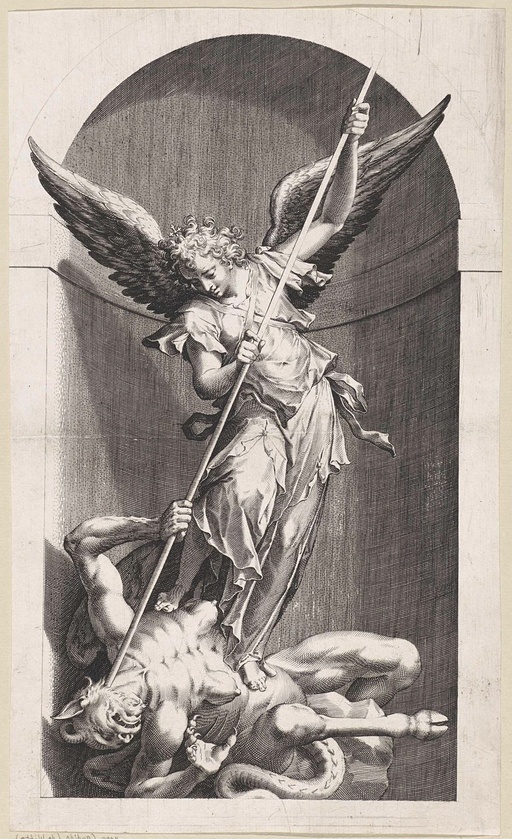
  • All I want for Valentine's is Lady Justice. Archangel Michael delivering justice, as we need for those in the Epstein Class. 

B.  Recommendation of the Week

C.  Wisdom of the Week

  • “I weep for the liberty of my country when I see at this early day of its successful experiment that corruption has been imputed to many members of the House of Representatives, and the rights of the people have been bartered for promises of office.” Andrew Jackson. 

D.  Appearances

II. THE EVIDENCE

A reminder: links are NOT endorsements of the authors or their interpretation of events, but intended to expand our library of understanding as well as expose ideas of distinct perspective to our own. 

A. Barnes Library: Ten of the Top Curated Weekly Articles

  1. The Epstein elite. https://www.zerohedge.com/political/unsettling-truths-epstein-files-reveal-about-power-and-privilege
  2. Corruption of the academy. https://www.theatlantic.com/magazine/2026/03/mellon-foundation-humanities-research-funding/685733/
  3. Israel 1st wants to end Free Speech. https://www.realclearpolitics.com/articles/2026/02/13/is_free_speech_really_the_highest_value_153834.html
  4. Nobody likes Newsom. https://www.liberalpatriot.com/p/gavin-newsom-youre-no-bill-clinton
  5. Hawley-Warren bill seeks to end monopoly in medicine. https://www.thebignewsletter.com/p/senators-seek-to-smash-big-medicine
  6. Polymarket grocery stores. https://unherd.com/newsroom/inside-polymarkets-free-public-grocery-store/
  7. Security State. https://greenwald.substack.com/p/amazons-ring-and-googles-nest-unwittingly
  8. Housing market woes. https://substack.com/home/post/p-187448844
  9. Leverage risks. https://quoththeraven.substack.com/p/countdown-to-detonation-americas
  10. Epstein network. https://epstein-doc-explorer-1.onrender.com

B. Homework: Cases of the Week for Sunday

  1. Texas AG joins Dr. Bowden. https://www.texasattorneygeneral.gov/sites/default/files/images/press/Bowden%20Intervention%20(Filed)_0.pdf
  2. Alex Jones sues. https://www.scribd.com/document/997131709/Alex-Jones-Amended-Counterclaim-for-Filing-In-The-United-States-Bankruptcy-Court-For-The-Southern-District-Of-Texas
  3. Gail Slater removed. https://www.thebignewsletter.com/p/trump-antitrust-chief-ousted-by-ticketmaster
  4. I will sue Mike Davis. https://x.com/barnes_law/status/2022467828255768629?s=20
  5. Wisconsin election integrity takes a loss. https://www.courthousenews.com/wp-content/uploads/2026/02/wisconsin-ballot-spoiling-ban-reversed.pdf
  6. Texas election integrity gets a win. https://www.ca5.uscourts.gov/opinions/pub/24/24-50783-CV0.pdf
  7. Two big 2A cases in 3rd. https://courthousenews.com/two-third-circuit-hearings-could-reshape-nations-second-amendment-rights/
  8. Another TPS order blocked. https://www.courthousenews.com/wp-content/uploads/2026/02/african-communities-v-noem-mass-ruling.pdf
  9. Epstein BOA suit goes forward. https://www.courthousenews.com/wp-content/uploads/2026/02/doe-v-bank-of-america-new-york-ruling.pdf
  10. Dollar Tree death. https://www.courthousenews.com/wp-content/uploads/2026/01/max-antonio-garay-v-dollar-tree.pdf
  11. Boasberg latest insanity. https://ecf.dcd.uscourts.gov/cgi-bin/show_public_doc?2025cv0766-247
  12. Trump immigration win. https://www.phelps.com/a/web/r5pKxiJkFZ7QKozjTbS8V2/ca5detention.pdf

*Bonus: Livenation Ticketmaster Antitrust https://www.hollywoodreporter.com/music/music-industry-news/live-nation-doj-lawsuit-after-gail-slater-resignation-1236504011/

**Bonus: NCAAF eligibility suit. https://www.knoxnews.com/picture-gallery/sports/college/university-of-tennessee/football/2026/02/13/joey-aguilar-eligibility-hearing-tennessee-vs-ncaa/88659399007/

***Bonus: AI plagiarism win. https://www.newsday.com/long-island/education/adelphi-university-ai-plagiarism-lawsuit-oh07enyz

C. Best of the Board: Ten of the Top Posts

  1. Too much truth. https://vivabarneslaw.locals.com/post/7688284/best-explanation-of-our-two-party-system-benowen
  2. Life on the line. https://vivabarneslaw.locals.com/post/7687846/god-bless-and-protect-thomas-massie
  3. Prayer & a cute dog. https://vivabarneslaw.locals.com/post/7688117/daily-prayer-2-0-heavenly-father-give-us-comfort-and-wisdom-allow-us-to-trust-your-judgement-and-y
  4. Surf. https://vivabarneslaw.locals.com/post/7688060/pipeline-hawaii
  5. Real diversity. https://vivabarneslaw.locals.com/post/7688513/title
  6. Hush Hush ideas. https://vivabarneslaw.locals.com/post/7688104/robertbarnes-just-saw-a-news-article-talking-about-the-great-chicago-fire-being-started-by-communis
  7. Wisdom. https://vivabarneslaw.locals.com/post/7687331/title
  8. Bill Brown Proverbs. https://vivabarneslaw.locals.com/post/7686413/title
  9. Truth. https://vivabarneslaw.locals.com/post/7684892/title
  10. My answer is Yes. https://vivabarneslaw.locals.com/post/7687202/does-god-answer-your-prayers-i-ask-because-i-pray-everyday-whether-typed-down-here-or-mentally-reci

III. CLOSING ARGUMENT: Constitution Masterclass Series — Article I, Elections

  • Article I, section 4 empowered the legislative branch of the federal government — the Congress — “may at any time by Law make or alter such Regulations” otherwise set by the legislatures of the state governing the “elections for Senators and Representatives” except to the Places of chusing Senators, later modified by the Seventeenth Amendment. Each House can further be the “Judge of the Elections, Returns and Qualifications of its own Members” including the power to expel “with the Concurrence of two thirds.” The Constitution affords no express power to Congress to elect the President or elect those to state or local office. And remember, Article I powers are constricted to those “herein granted” explicitly within the Constitution. 
  • Representatives must be “apportioned” amongst the States “according to their respective Numbers”, a determination made by “adding to the whole Number of free Persons” certain individuals no longer referenced after the Fourteenth Amendment. The “actual enumeration” of this apportionment “shall be made…within every subsequent Term of ten Years, in such Manner as they shall by Law direct.” The original intention was that there were at least one representative for “every thirty Thousand”.
  • The Fourteenth Amendment modified these provisions by stating representatives be apportioned “to their respective numbers, counting the whole number of persons in each state, excluding Indians not taxed.” Of note, the provision also stripped representation of any state which limited Presidential electors beyond the limits of gender, age, citizenship, crime, or rebellion. 
  • The Fifteenth Amendment modified these provisions further by providing a “right of citizens of the United States to vote” and that such a right could not be denied on basis of race. 
  • The Seventeenth Amendment modified these provisions further by providing that the “people thereof” elect the Senators instead of the legislative branches of those state governments. 
  • The Nineteenth Amendment modified the provisions even further by expanding the Fifteenth Amendment’s right of citizens to vote to women. 
  • The TwentyFourth Amendment modified these provisions even further by holding the right of the citizens to vote in federal elections could not be limited based on taxes, including poll taxes. 
  • The Twenty-Sixth Amendment expanded these voting rights to include those 18 years of age or older that are citizens. 
  • Each of these Amendments repeated: “the right citizens of the United States to vote” as the entire premise of these Amendments to the Constitution for governing elections. Yet, somehow, the courts held in 2020 no such right existed to even afford standing to request judicial relief from stolen elections for the highest office in the land, and even when brought between states for the only nationally elected office? 
Read full Article
See More
Available on mobile and TV devices
google store google store app store app store
google store google store app tv store app tv store amazon store amazon store roku store roku store
Powered by Locals